
Rubin Verebes is the managing editor of Foodie and is very opinionated. Transforming his hobby of eating and drinking into a career, he shares his account of Hong Kong’s F&B scene and the worldwide state of dining in Rubin’s Take, his dedicated opinion column.
The West’s food critics are against small plates, the tapasified trend of one-bite or palm-sized nubs of food served on, you guessed it, small plates. A trend that has occupied the world over for a decade and a half.
The Guardian, a bastion of food writing in London and the U.K., have been banging on about small plates since 2013 decrying the trend over multiple features.
13 years ago, they called the trend in London a “tyranny”. In 2019, they predicted the end of “dinner-ruining” small plates. By 2022 they “fell out of love with small plates”. And in 2025, they wanted a ban on the “fiddly” format.
Elsewhere, American comedian Alex Falcone verifies small plates as a classic scam and New York-based creators Rhea and Nick fear the worst for the “small plate-ification” of Manhattan. Across the border, Montreal-based culture magazine Cult MTL wrote “the enduring trend of “sharing” dishes is BS” in a 2019 feature titled “To hell with small plates”.
In chic European and North American cities, small plates are a familiar formula to Italian and Spanish (they have a history of cicchetti and tapas), Greek, French, Middle Eastern (of various cuisines), and pseudo-Mediterranean restaurants. Countries with warm climates and preexisting meal-sharing traditions have become small plate-ified. Call it a modernising of cuisines, but heritage is lost in the process.
Small plates make sense for restaurants: customers love choice and to pick at the ‘we recommend six to eight dishes to share between you’, a cross section of a cuisine is sliced and diced across multiple items, profit margins are amplified with low-cost dishes sold at a high markup, and attraction is baked into jumping on the trend.
I cannot resist a small plates experience. Except I am not drinking orange wine with my pals on a gentrified street formerly occupied by mom-and-pop ethnic groceries and carving seven small plates of Levantine dips made by a chef whose fictional grandmother shared her recipes. I live in Asia, more specifically Hong Kong, our small plates are dim sum and tea.
Small plates don’t need to die, retire, or increase in size to sharing platters; they exist across the continent, stretching from West Asia to Southeast to East and a bit North. The format has been co-opted abroad to upsell you expensive dinners.
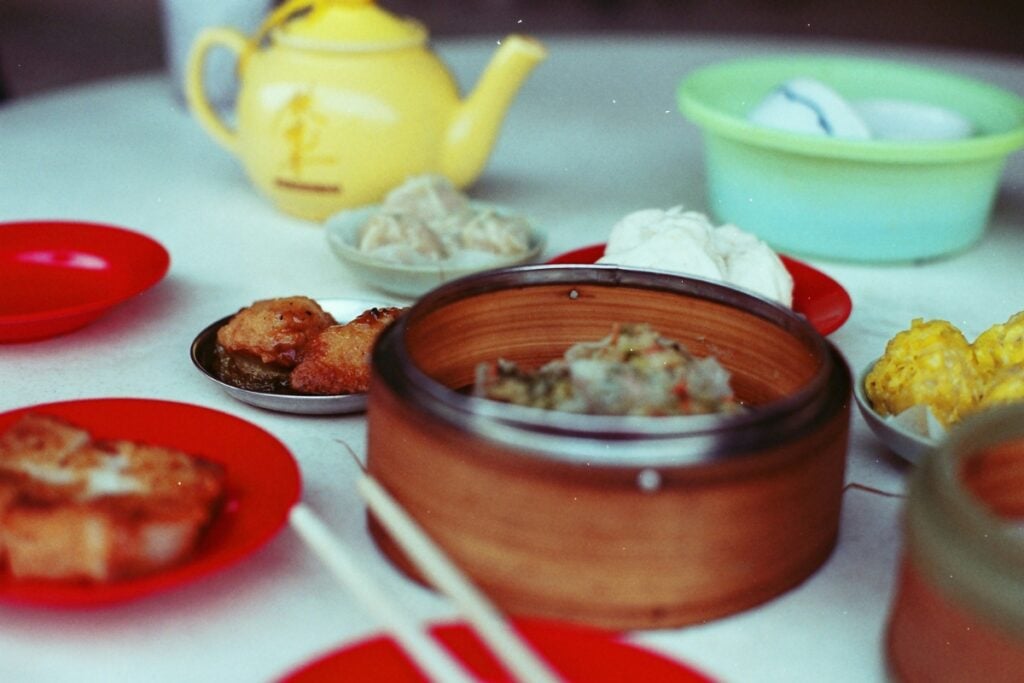
In Hong Kong and southern China, dim sum has existed for as long as ancient China has. Our small plates come in threes with plump wheaty wrapped one-biters, either plucked from pushtrolleys circling tables or ordered from on a menu of dozens. Alcohol would be sacrilege to drink in our dim sum hour, we like to brew tea with our small plates.
Sushi, kushikatsu (deep-fried skewered sticks), and yakitori is how the Japanese prefer post-work dinner schmoozing. Orders of sushi or sticky meats and vegetables usually number the mouths on the table and stop when the stomach can no longer expand. Very few nations have not welcomed Japan’s small plates.
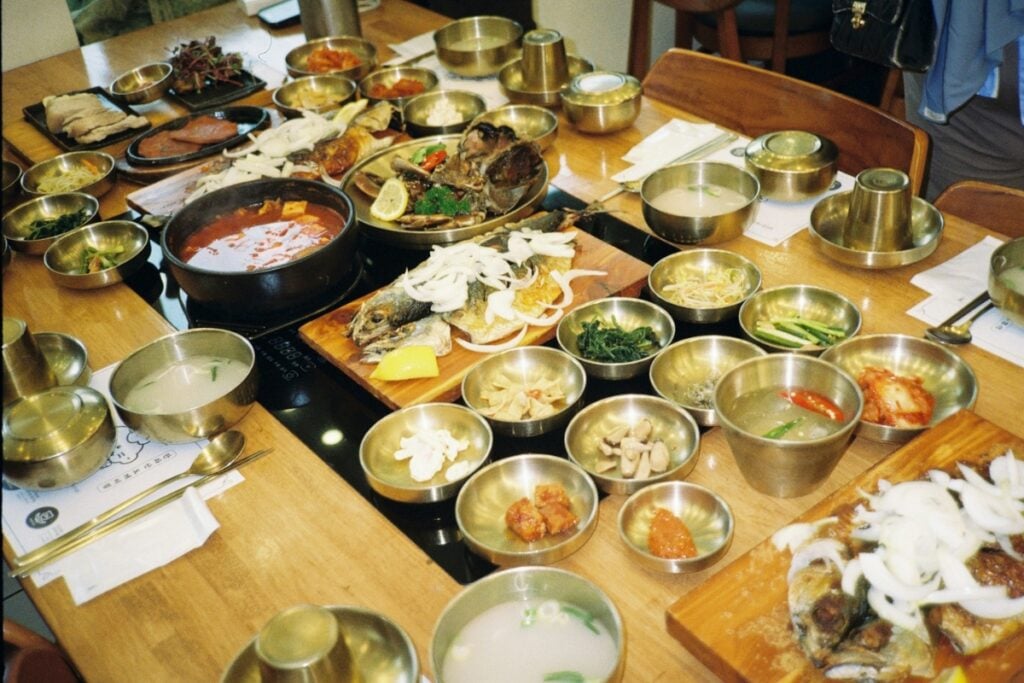
Next door, banchan in South Korea has earned the same popularity at home and globally as Big Bang, BTS, and Black Pink. The irresistibly pickly, salty, and spicy side dishes become the main attraction on the table, sidestepping the grilled or soupy main you ordered. Small plates.
Nasi padang from Indonesia’s western city of Padang has you picking from dozens of pre-cooked curried and spiced meat and vegetable dishes to enjoy with a serving of steamed rice. Can you sense a pattern here?
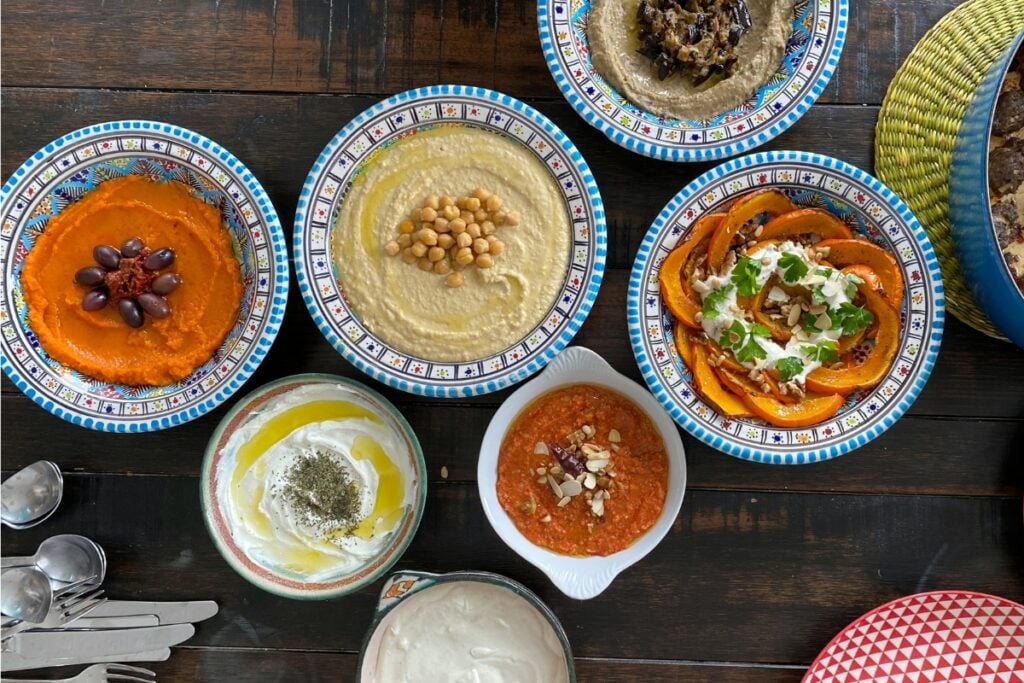
And in West Asia, mezze is how the Turks, Lebanese, Syrians, Palestinians, Egyptians, and Saudis have eaten for millennia. Bread is literally broken as families join to pinch fried goodies and swipe up dips. This is the original small plates culture.
Like any dining trend, there has been a rise to modern small plates restaurants – over the past 15-or-so years across English- and Romance-speaking cities – and an eventual fall to come, whenever Big Plate decides to initiate their plan for global domination.
Don’t let your anger of the gentrifying small plates cloud respect and admiration for cultures in the East who have been eating like this for generations. Asia’s way of eating can never be boring, so long as our small plates traditions are upheld.
The views expressed in this column are those of the authors and do not represent or reflect the views of Foodie.

