
Rubin Verebes is the managing editor of Foodie and is very opinionated. Transforming his hobby of eating and drinking into a career, he shares his account of Hong Kong’s F&B scene and the worldwide state of dining in Rubin’s Take, his dedicated opinion column.
It is ubiquitous, inevitable, disturbing, alien. The use of generative AI to enhance or create new images of food has given birth to a new genre of food.
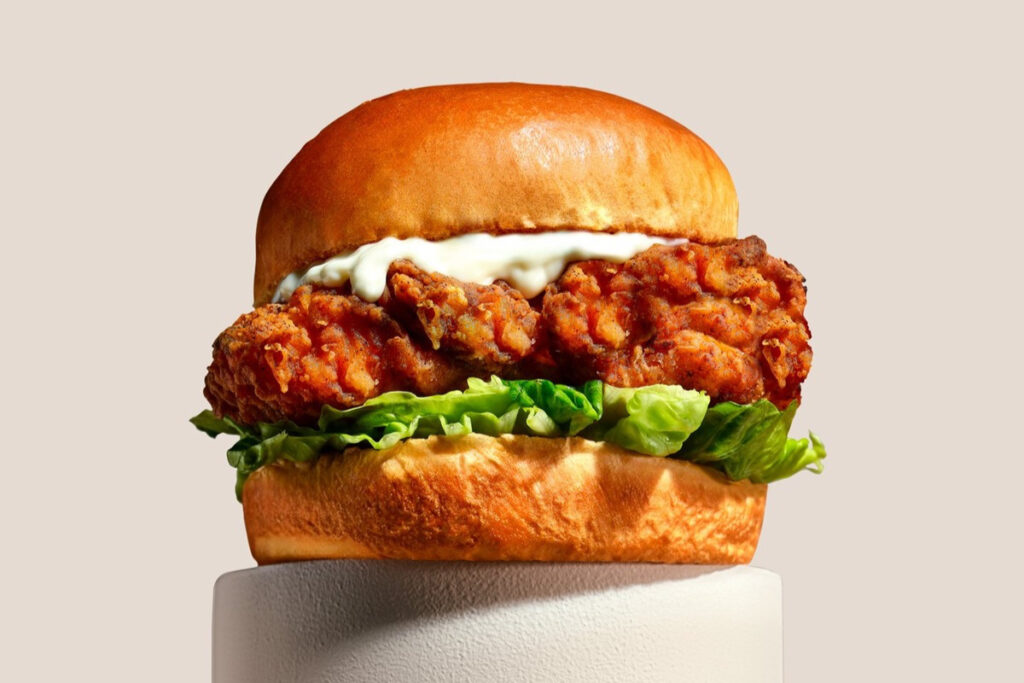
Geometrical and lattice-like patterns in sandwiches, nauseatingly gloopy sauces, grotesquely large heaps of meat, ingredients that scientific-defyingly morph into each other. It is all scarily allotriomorphic and lacks any grounding in what food looks like in real life.
The mass propagation of AI slop tells customers that restaurants may cut corners, as they have done with their marketing efforts, and may not accurately serve what they are presenting. A diminished investment in marketing their food will inevitably result in off-put customers bringing their investment elsewhere.
You have seen it and so have I. This is the sad future of food marketing, but it doesn’t have to be sad nor the future.
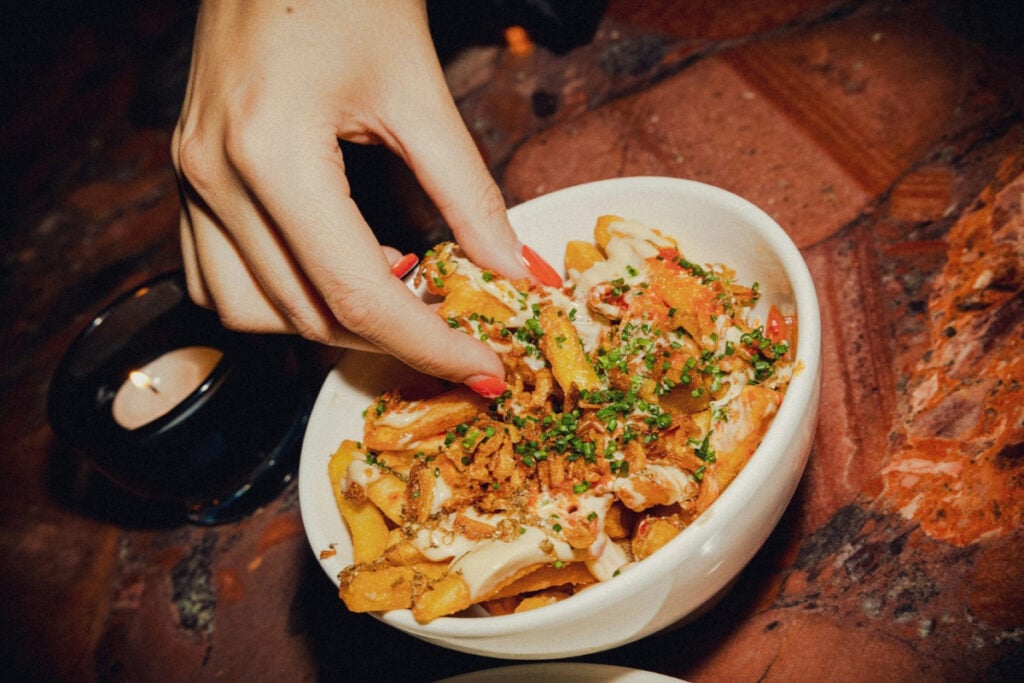
Four years ago, before AI arrived onto the scene, we marketed our restaurants with a camera and it was that simple. Yes, PhotoShop helped to adjust lighting levels and features of a product, but we relied on the ability of the photographer to make what the chef cooked sexy.
Bring back sexy food photography I say. This was a language we spoke before our world got sloppy, an art form to prompt our hunger and make us salivate.
Food photography, when done well with good framing and lighting, can elicit true emotions towards the food.
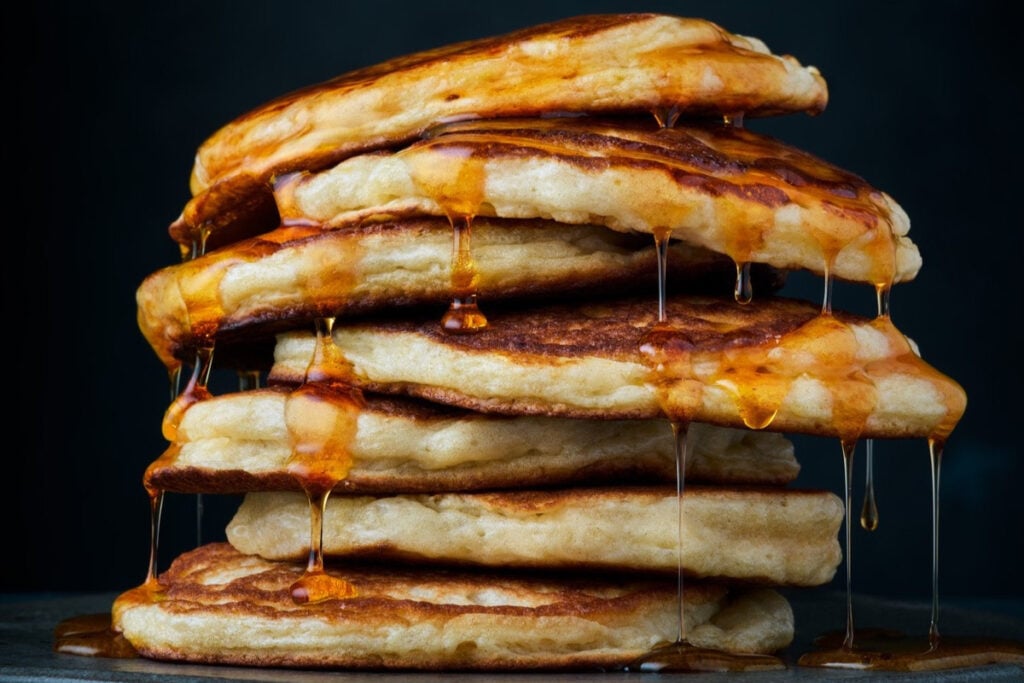
You can understand the romance of a dessert from its fancy plating, the freshness and abundance from a neatly organised salad, a dash of nostalgia with syrup pouring onto pancakes, a sense of discovery with cuisines not your own captured in a culturally appropriate manner.
The emotions I feel about AI food slop are one of abhorrence.
I, and many people who dine out, want to feel secure when we order a dish from a photo indicative of what we will likely eat, to relate to the food from a picture menu or advertising board, and most importantly, to feel hungry. AI slop doesn’t generate hunger in people.
You can’t taste food when you see it in an advertisement, a billboard, an article, or a social media post, thus food photography becomes something so key to visually sell a dish.
The views expressed in this column are those of the authors and do not represent or reflect the views of Foodie.

