
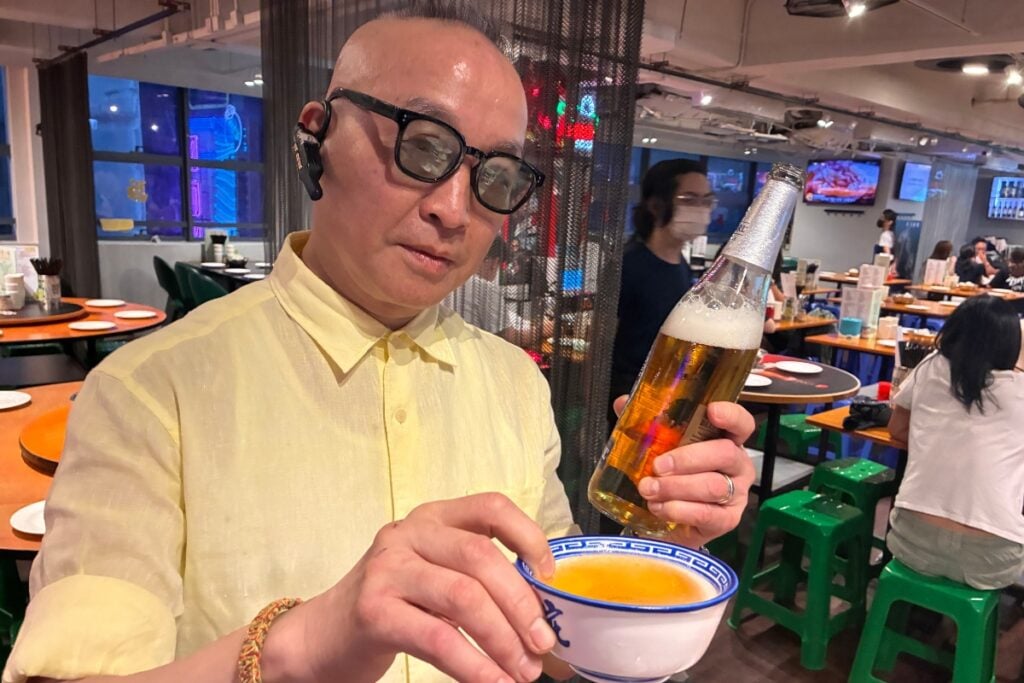
Once a bartender and manager of a discotheque, Robby Cheung runs Tung Po Kitchen, Hong Kong’s raucous dai pai dong with music at its heart
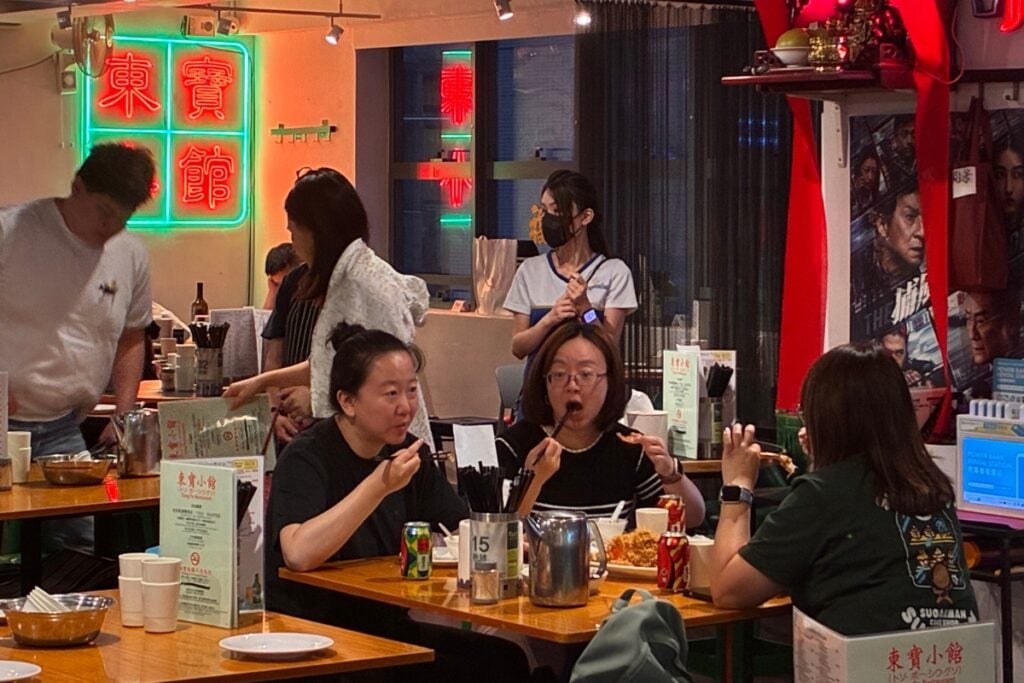
It is 5:30PM on a Wednesday in Wan Chai and the crowds begin piling into Tung Po Kitchen with reservations in hand, a hot ticket required for the loud and electric dai pai dong.
Robby Cheung, owner of the 34-year-old restaurant, darts around the floor directing his staff in a maestro-like manner, switching effortlessly between host and command centre lead. A bulk of his team have worked with him since day one of operations. By 6PM, an Ibiza house music track sets the tone and beer bottles are cracked open.
Gone is the swampy heat and harsh environment of the dai pai dong’s former home in a cooked food centre in North Point, Tung Po Kitchen has modernised. But, the beer-guzzling fan-favourite began in a more humble manner: a family-run congee shop.
At 18 years old, Robby began his hospitality career at the Royal Garden Hotel as a busboy, intently training the basics at the bar. Next door at the Sheraton Hong Kong Hotel, he studied the classical way of service at their former French restaurant. “You would be fired if you didn’t bend over 45 degrees to speak with the guests!” he tells Foodie as service begins.
Too stuffy for the Hong Konger who desired excitement, he transitioned to opening a bar in Tsim Sha Tsui, before joining the discotheque business at Hot Gossip, the legendary discotheque that birthed the local nightlife genre. Cantonese pop and dance music was the genre of choice for disc jockeys wielding vinyl discs, with flashy music videos playing on the walls, a staple to the Harbour City venue and emulated today at Tung Po Kitchen.
“I worked at Hot Gossip for seven years before I left. The London-based business group running the discotheque wanted a new general manager but didn’t want to hire a Chinese person, so I quit! I travelled with my girlfriend now-wife in Europe for three months before opening an Italian restaurant when I came back.”
That challenge failed to satiate Robby, an entrepreneur always gunning for his next adventure. The next opportunity bucked the trend. “My father-in-law asked me to take over their family business, a congee shop called Tung Po in [the Java Road Market and Cooked Food Centre].”
“I took over the business in 1992, but it was different to what I have done before. I always liked to move jobs and positions every year, cooking different cuisines, and [earning] more salary. You always have something [new] to learn. Running Tung Po for the first year was tough, we lost a lot of money.”
Robby faced friction in the kitchen between the “cyu fong lou” (cooks) and himself as the “cyu si” (chef), the former a rambunctious bunch “with no culinary education, no culture, always swearing, lazy” and himself as a chef, classically trained. Nine months in, he wanted to quit; his wife persuaded him to stay put and bring his Western experience to the family business.
“Chinese chefs always think about Chinese food.” Tung Po Kitchen shunned congee as a menu centrepoint and drew on Robby’s worldly experience to create a fusion one-pager.
Black ink squid with spaghetti, minced pork with broccoli and cheese, tom yam chicken intestines, deep fried frog with salt & chilli were fusion favourites in the 1990s and still remain popular.
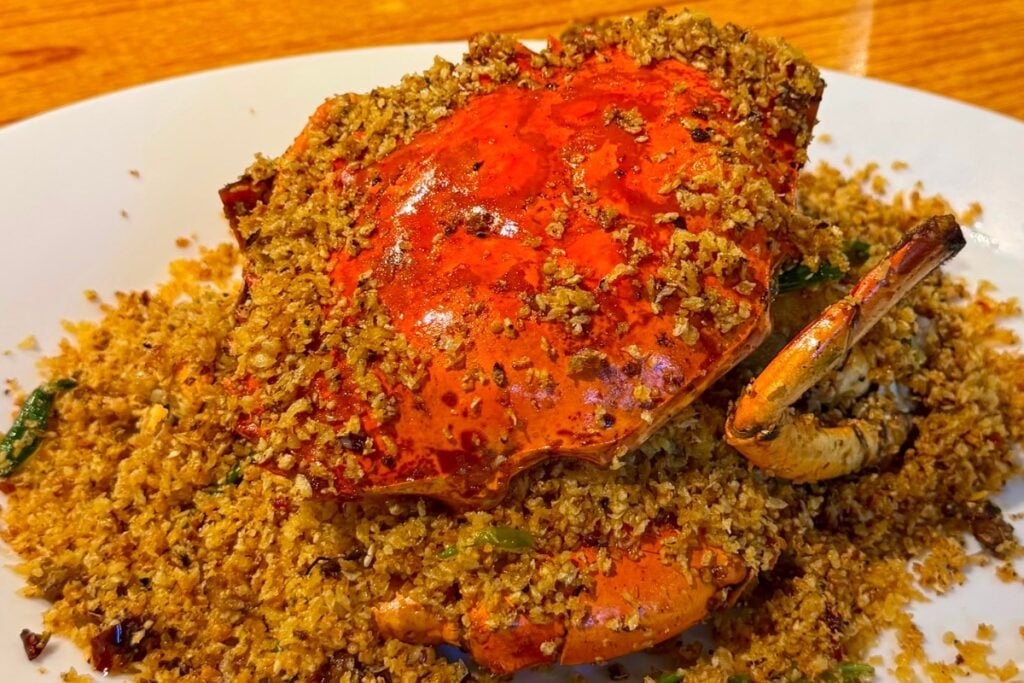
Tung Po Kitchen’s menu today reflects three decades of change. Updated seasonally in spring and winter to match the temperature of Hong Kong, the menu has more than 130 dishes introduced in five languages, English, Chinese, Japanese, Korean, and now Thai. If explanations are required, service staff and bottle girls of requisite trilingual fluency chase requests.
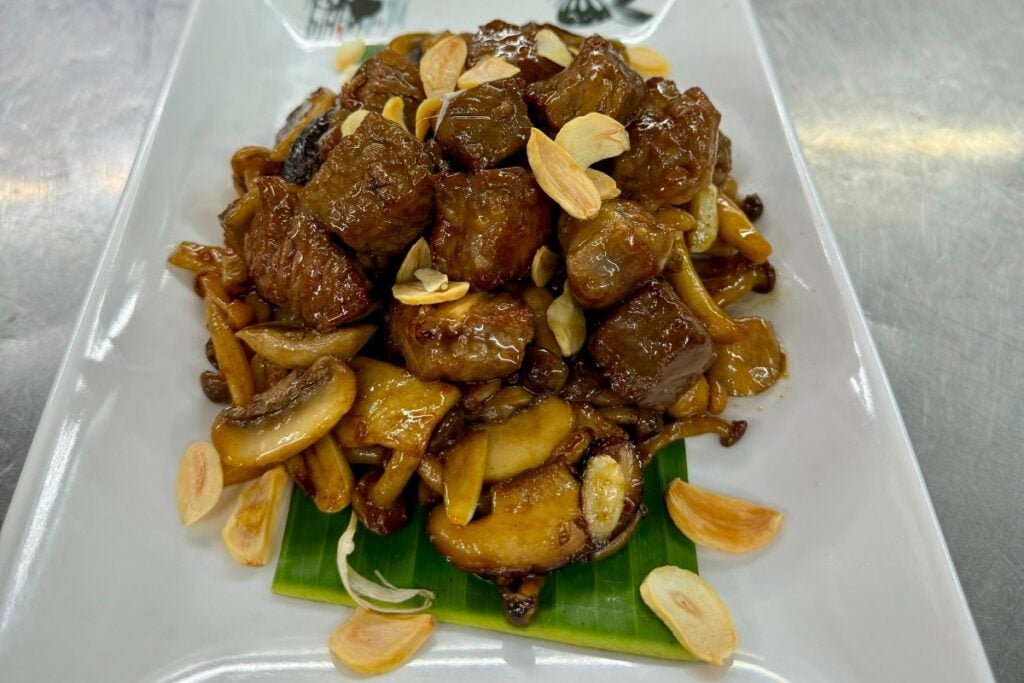
Their wind sand chicken, deep fried pork rib with mayonnaise sauce, stir fried garlic angus beef tenderloin bites, and salted egg yolk golden shrimp is a preferred order with customers.
“In the 1990s and early 2000s, we catered to local diners, foreigners, and tourists, mainly from Japan. Their money went far in Hong Kong and they loved seafood, especially our deep fried mantis shrimp which cost less money here than other Chinese restaurants.”
At the behest of the former Urban Council, the British colonial department in charge of the city’s municipal affairs, Hong Kong’s dai pai dongs were moved into temporary cooked food centres from the 1970s in the name of health and safety. Dai pai dongs like Tung Po Kitchen were passed through generations or communities to continue this legacy.
“When the dai pai dongs moved into the wet markets, they had no air conditioning.” Their patrons needed cooling down and an atmosphere to add to the sometimes drab or tame surroundings now trapped indoors. Tung Po Kitchen, Robby claims, was the first dai pai dong to serve beer in bowls and play music every night.
“When I ran my bar in Tsim Sha Tsui, we would serve beer in cold glasses. You’re pouring hundreds of glasses a night, taking them one by one from the fridge. You drop one, they all break. With drinking from bowls, it is easier to store and handle.”
Yearning for his disco days, Robby set up large speakers flanking each side of the dai pai dong beginning in the late 1990s, playing songs from 8PM onwards. “People complained that it was too fucking noisy, so I separated the quiet section and the music section, just like Tung Po Kitchen is today.”
“I began with playing slow music, the songs of [the late Taiwanese singer] Teresa Teng], but I wanted more power and disco music.” Today, Cantonese pop, house music, and Top 40 tracks from now and the 2010s are predictably on loop.
In 2007, Robby was thrust into global celebrity when the late Anthony Bourdain profiled Tung Po Kitchen in an episode of Hong Kong for his series No Reservations. Joined by two cameramen and a Hong Kong friend-cum-tour guide, Anthony devoured chunks of black ink squid with spaghetti. Tung Po Kitchen earned his seal of approval.
“The show is called ‘No Reservations’, so they didn’t tell me who I was being filmed with, just that I would have an interview at 6PM on a Sunday and I should introduce the dishes.”
“I found [Anthony] funny, I liked his style. My English was so poor back then, but I showed how we cook our chicken and mantis shrimp. After the episode was released, everything got bigger for us!”
Nine years later, Benedict Cumberbatch dined at Tung Po Kitchen during the filming of Doctor Strange, joined by Tilda Swinton in tow months later.
Hong Kong diners feared for the end of Tung Po Kitchen when, in September 2022, nearly 30 years operating out of the same kitchen in their Java Road premises, Tung Po Kitchen announced their untimely closure.
Their lease was terminated by the Food and Environmental Hygiene Department for breaching a tenancy agreement after the restaurant was found to be allegedly subleasing from its owner.
Two months later, Tung Po Kitchen found its current home inside an office building in the no-man’s-land strip of banquet restaurants and light shops sandwiched in between Wan Chai and Causeway Bay. The report of their death was an exaggeration.
“I was on the search for our next place. Luckily, I found this restaurant soon after we closed without having to pay to take over the lease. We had all the equipment in the kitchen here, so it was a great deal.”
A month after signing the lease, Tung Po Kitchen opened in its new home in its 31st year of life in November 2022. But that was not without issues. The restaurant Robby took over required tearing down to its shell, it reeked of cigarettes and gathered mold over the years.
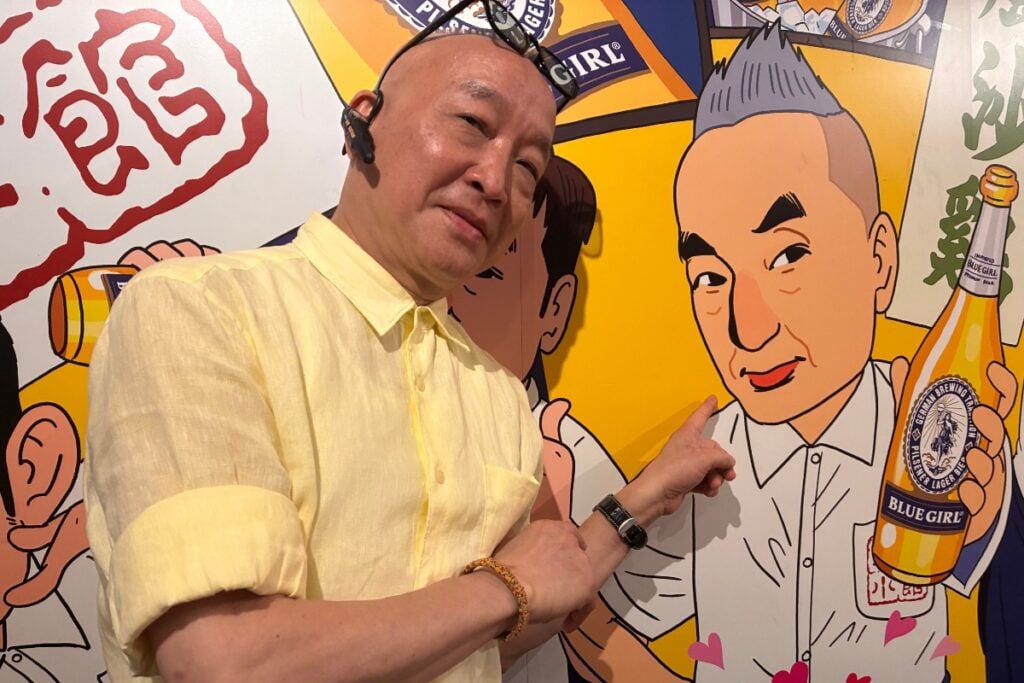
What launched in November 2022 was a barebones structure with murals of Robby and his staff, a grouping of TVs hung up playing music videos a-la his discotheque days, and Tung Po-themed neon signs.
“There are no table cloths at Tung Po Kitchen,” Robby comments. There is no need for fluff when he says the menu speaks for itself and beer powers the restaurant, be that Dutch, Danish, Chinese, or Hong Kong persuasion.
“In my opinion, I think the food here is okay, price okay, but music should be our weapon [to attract diners]. We have a good atmosphere and good hygiene, just no table cloths!”
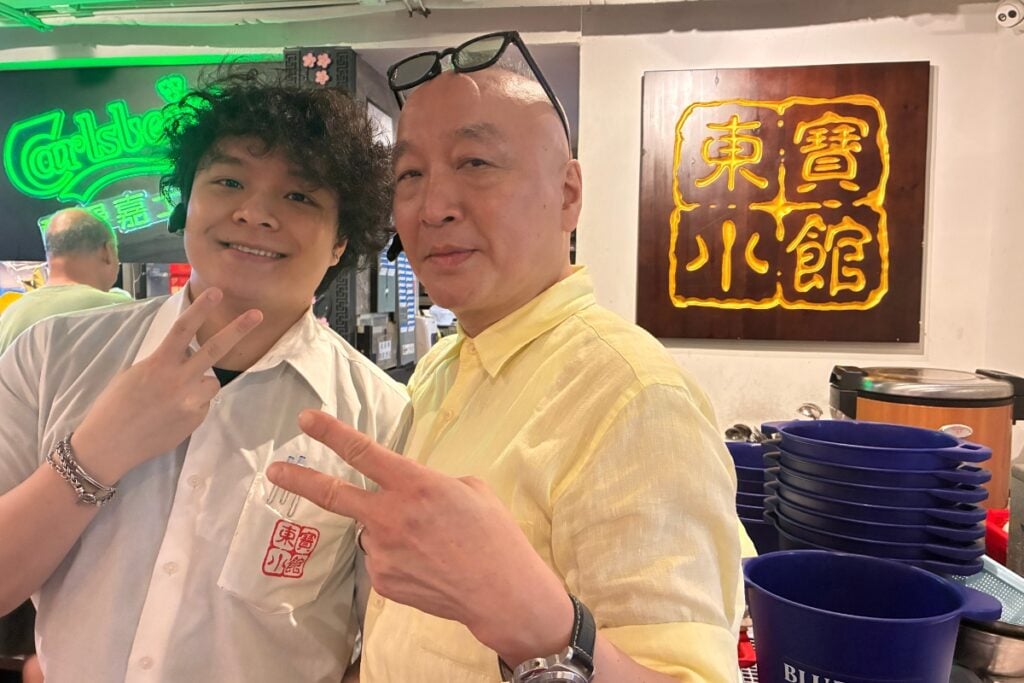
Why is Tung Po Kitchen important to the dining scene, a restaurant patronised by locals and tourists in the hundreds of thousands? “I don’t think I am important,” he replies.
The Hong Konger is not seeking for an exit just yet, even with the restaurant facing turbulent times with strong competition across the border earning Hong Kongers’ attention, but he understands Tung Po Kitchen requires a new direction.
“My son will take over in the future. He just began working here two years ago. I am 63 years old and have worked for 43 of these years. Sometimes you cannot work until you die!”
For now, Robby, his son, and Tung Po Kitchen continue to sling out salted, deep fried, spiced, and heavily-seasoned dishes and pop beer bottles.
If you have yet to visit Tung Po Kitchen, take a trip to Wan Chai for an evening of booze and the dai pai dong classics.

