
Rubin Verebes is the managing editor of Foodie and is very opinionated. Transforming his hobby of eating and drinking into a career, he shares his account of Hong Kong’s F&B scene and the worldwide state of dining in Rubin’s Take, his dedicated opinion column.
Last September, during his 2025 Policy Address, chief executive John Lee platformed dozens of policy changes and hundreds of KPIs in his government’s push to continually improve Hong Kong.
Amidst the blitzing of official government talk, policy number 185 in the government’s annual policy push was a point that earned my attention. “Tourism is Everywhere,” it was aptly described as.
As the transcript read, “The CSTB [Culture, Sports and Tourism Bureau] will enhance the development of tourism products and initiatives with local and international characteristics, realising the motif of “tourism is everywhere”.”
John Lee wants to explore “new visitor sources [and to improve] visitor arrival arrangements” to bring tourism everywhere, and not just the usual areas. Is there one place that sorely deserves the government’s attention with this policy? Stanley.
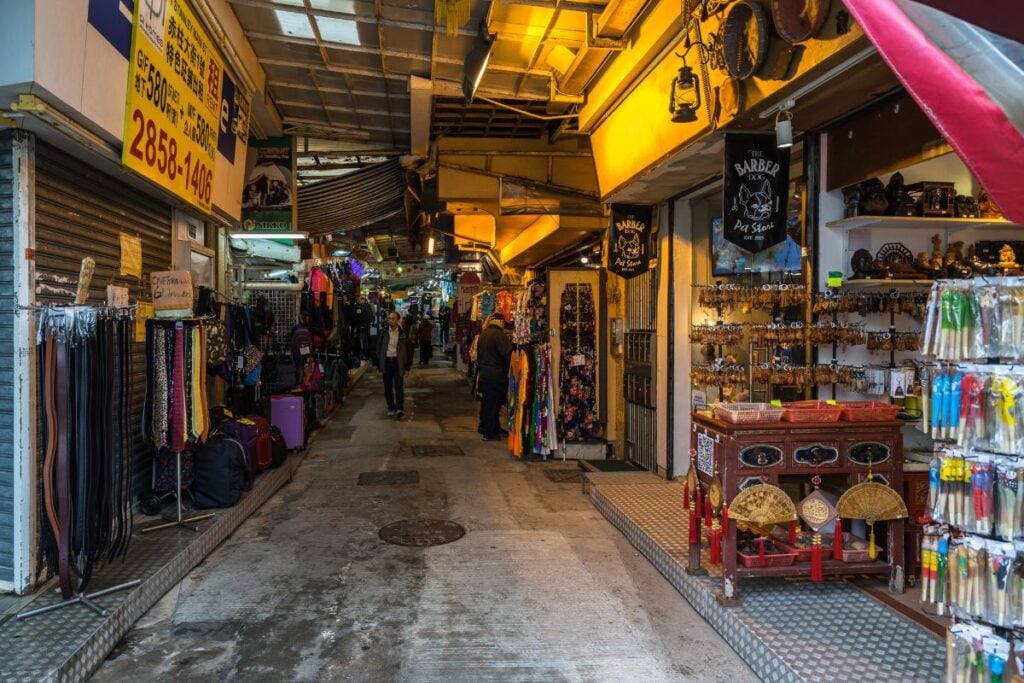
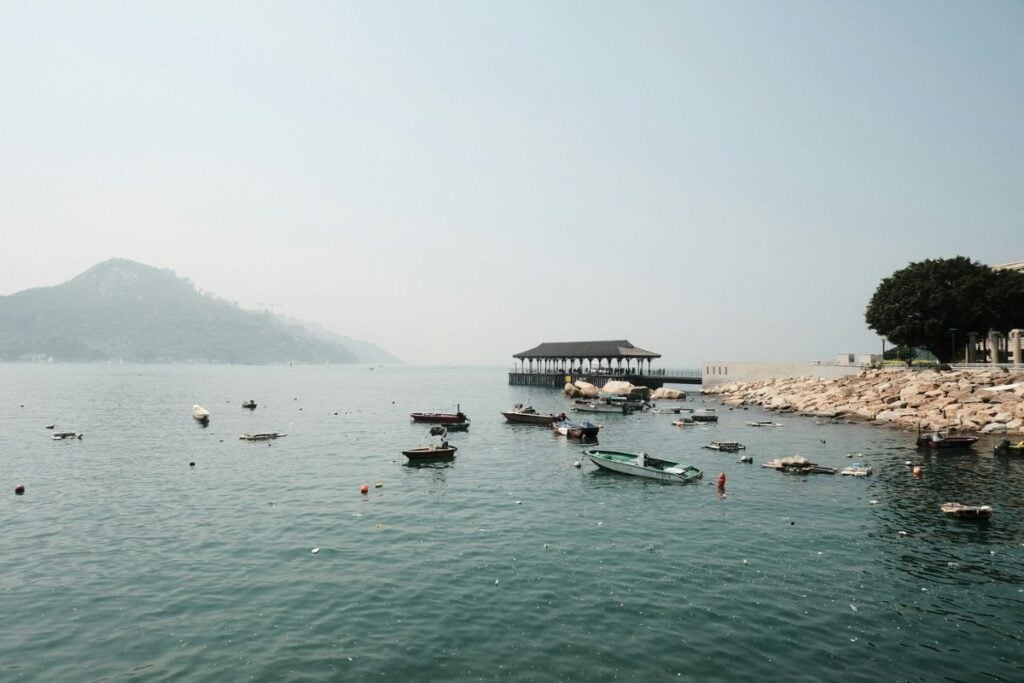
Hong Kong’s most southerly populous area was all but a guarantee for tourist itineraries on a visit to the city before 2019. The Stanley Market, seafront and open-air terraced restaurants, shopping at the Murray House, and beach-going at half-a-dozen beaches lining the ocean comprised our local version of what Italy has with Sicily or Spain has with the Costa del Sol.
Charming, quaint, simple, yet very Hong Kong, Stanley was never, and could never be, our version of Monaco or Ibiza in Asia. It is simply Stanley.
And then, as protests and the pandemic hit, foreign families fled Stanley for overseas locales, and tourists lost love for Stanley, preferring areas central to the harbour that received more promotion and government attention.
Stanley today is a shell of its heyday. Many Hong Kongers visit the neighbourhood for a hit of nostalgia of what was. I have witnessed tourists appreciate what remains of the Stanley Market, but the surrounding attractions leave much to be desired. It shouldn’t be this way.
The government and local communities have done well to rescue and rehabilitate the city’s characteristic remote-ish, seafaring tourism-centric neighbourhoods with new purposes. Shau Tau Kok found its footing as a historically-entrenched border town. Sai Kung enticed diners back with new restaurants. Shek O’s beachy scenery found tourists looking for a new beach day out.
All three neighbourhoods found a new audience in two ways: they engaged locals and visitors of what they can offer and they invested in the neighbourhoods to improve on what had worked in the past.
Few places in the city can match Stanley’s boardwalk dining strip and its proximity to the ocean. Once the star of the neighbourhood now has lost its sparkle. A campaign to spice up the food offerings with new seafood-focus restaurants would allow the overall dining standard on the strip to improve, beckoning visitors for a taste of the sea.
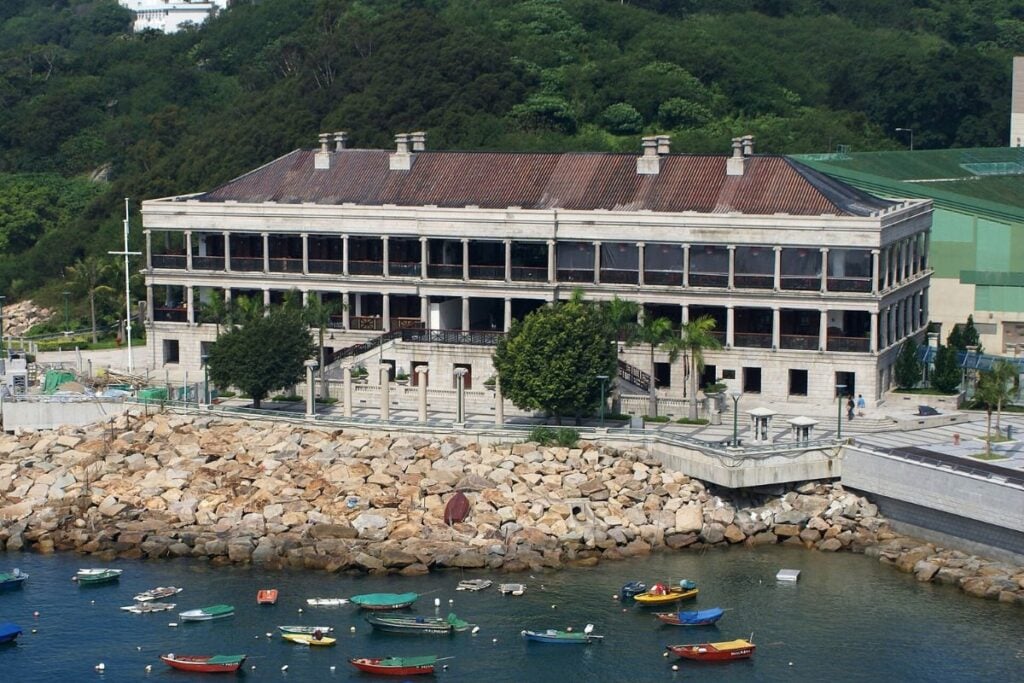
The Murray House, once a prime shopping destination, now sits empty as an event space. Last year, the 01 Festival 2025 was hosted on its premises, welcoming thousands of rave-goers for a night of music. Why not bring the food and drink and music festivals familiar to the West Kowloon District or Central Harbourfront circuit to this historic landmark for an alternative festival experience?
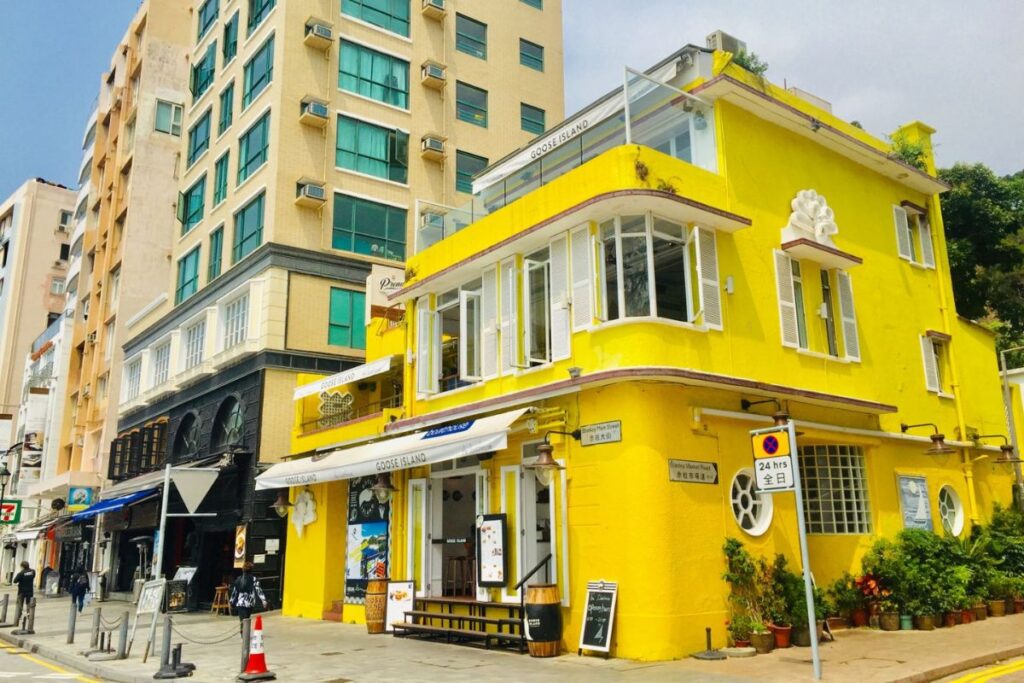
Alas, the days of restaurant dining may be on the decline in Stanley, but key anchor vendors Bakehouse and Pane e Latte have attracted day-trippers down south with the promise of reliable pastries and coffee by the ocean. With more premium fast casual venues catering to the takeaway diner, Stanley’s dining environment would benefit.
Typically only held on irregular weekends and public holidays, Stanley could turn their fair programme into a permanent one on weekends fixing up stalls selling artisanal crafts, local fare, and drinks of the caffeinated or alcoholic kinds.
With Stanley Plaza, the mall has an opportunity to invite more chain restaurants and name-brand cha chaan tengs and cafés to draw residents with a taste of the familiar before a hike, beach, or ocean play.
Stanley has a connection to the ocean where Shek O doesn’t, a grand history that Sai Kung lacks, and a touristic quality that Shau Tau Kok has yet to mature.
The neighbourhood was once great, a fixture on the city map. Now, there is a path the neighbourhood can take to regain its legacy as a fine tourism gem.
The views expressed in this column are those of the authors and do not represent or reflect the views of Foodie.

