
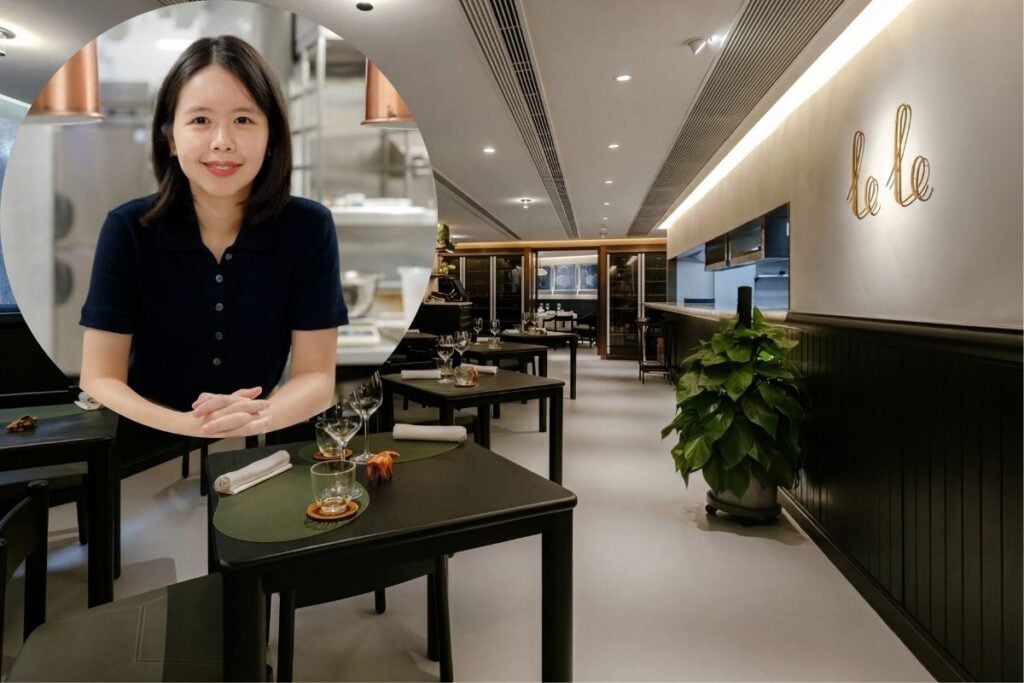
Chairlady Elizabeth Chu of ZS Hospitality, known for their elevated venues, introduces le le, a more sophisticated Vietnamese dining experience
Barring a number of Vietnamese chain restaurants and independent eateries, Vietnamese food has never found a footing in Hong Kong’s competitive food scene compared to the likes of commanding Japanese, Chinese, and Korean cuisine.
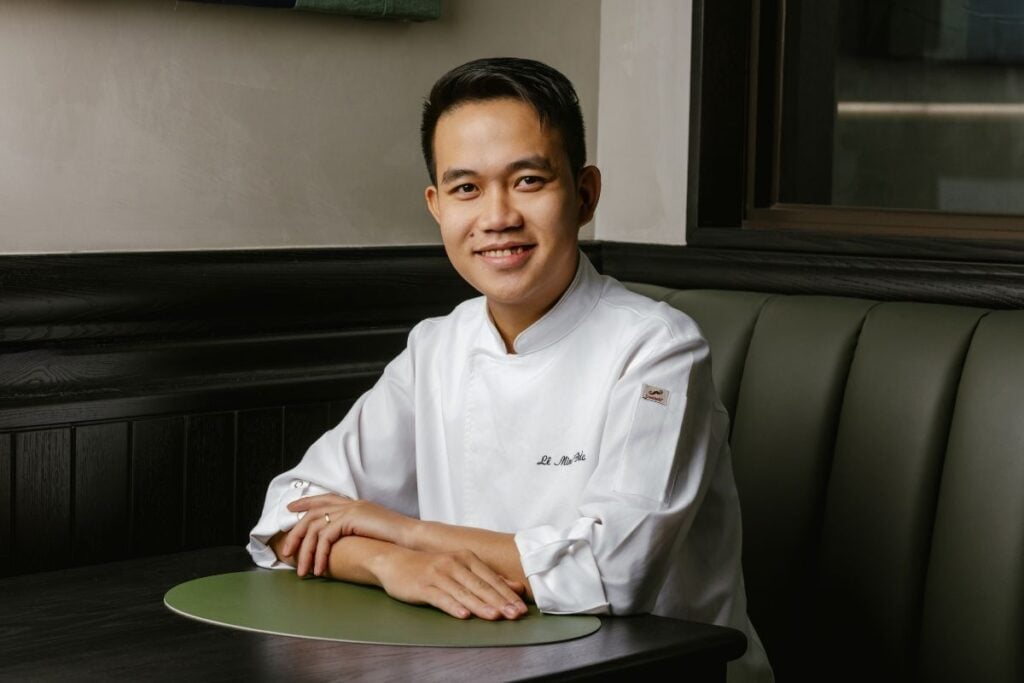
At her newly opened le le, a new “progressive Vietnamese restaurant”, Elizabeth Chu is making a change to the cuisine’s overshadowed local presence, joined by Hong Kong-born executive chef Elvin Lam and Vietnamese head chef Lê Minh Đức.
This is Elizabeth’s 10th year operating ZS Hospitality as chairlady, a restaurant group notable for its promotion of “undervalued cuisines” at a fine-casual standard. For this passion project – arguably all of her restaurants are as such, yet this is her most personal – she is on a perception-busting journey to introduce what Vietnamese food stands for.
“When you search for Vietnamese food on Google Images, you’ll find pictures of street food, people sitting on plastic stools and eating on the street, motorcycles, and rotten walls. There are a lot of stereotypes to Vietnamese cuisine,” Elizabeth shares.
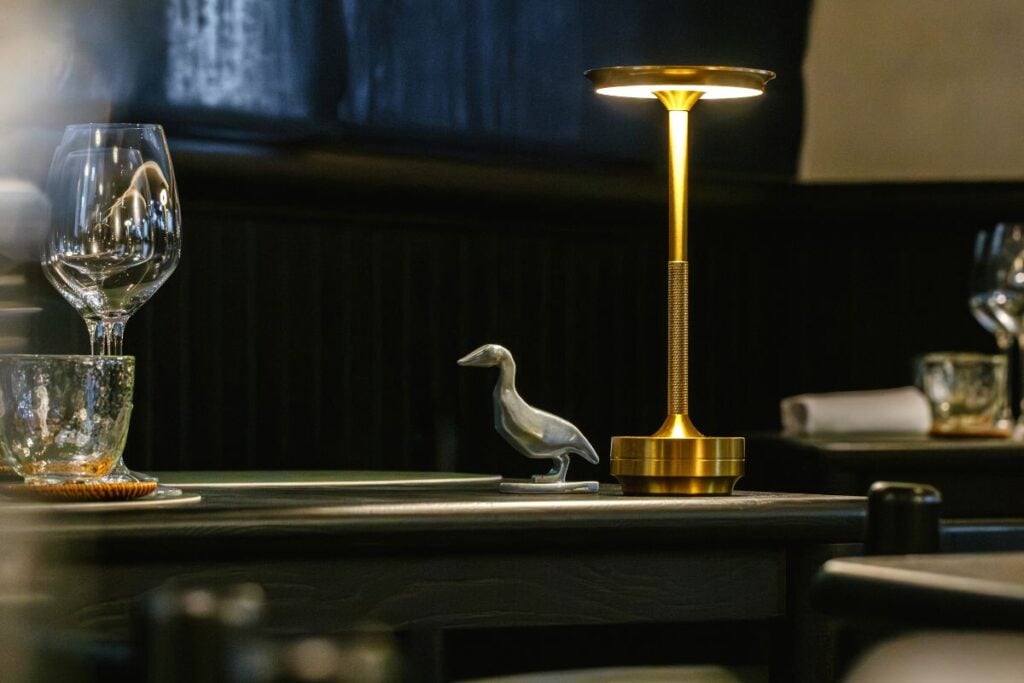
“I am not trying to say that Vietnamese food should be fine dining, but I just feel that it can be appreciated from another perspective other than just street food.” The food at le le – meaning whistling duck in Vietnamese, a friendly fixture of Vietnam’s riverside settings – is anything but street food.
le le’s lunch and dinner menus shape up like any other upscaled tasting menu in their format. On the surface, the appetisers, seafood, mains, and desserts take on a Westernised plating style, but squint and you’ll see familiar Vietnamese touches: canh chua (sweet and sour soup), phở gà (chicken noodle soup), muối ớt xanh (green seafood sauce), and gỏi (Vietnamese salad).
“I really want people to go ‘wow, Vietnamese cuisine can actually be like this’.”
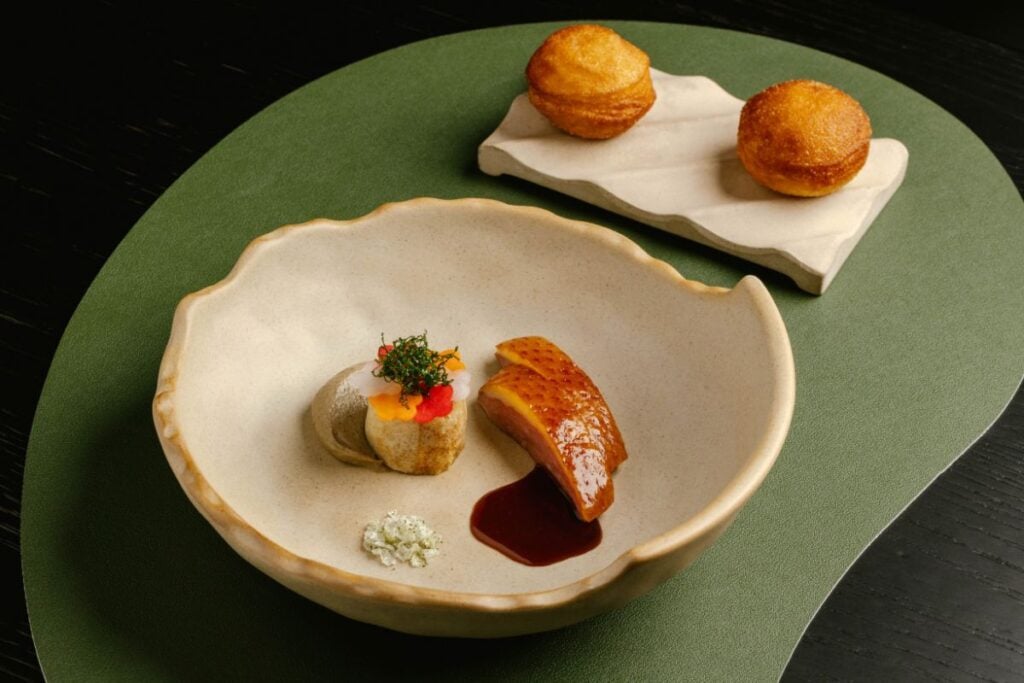
Served on the dinner menu, le le’s duck in three ways dish, paired with bánh tiêu, a Vietnamese hollow donut, and mắc mật (monkey root) duck jus is symbolic of how Vietnamese cuisine is enhanced for a more artistic setting.
A grilled, paté, and sausage version of a 14-day dry aged duck is served with pickles, the jus, and plump savoury donuts. As a Chinese-Vietnamese, the dish is reminiscent of Elizabeth’s life in Vietnam.
“This dish is a tribute to the banh mi in a deconstructed way. We have all the ingredients of the banh mi, but we elevate it using our [Cantonese] roasted duck traditions without losing the essence of the Vietnamese flavours,” she says.
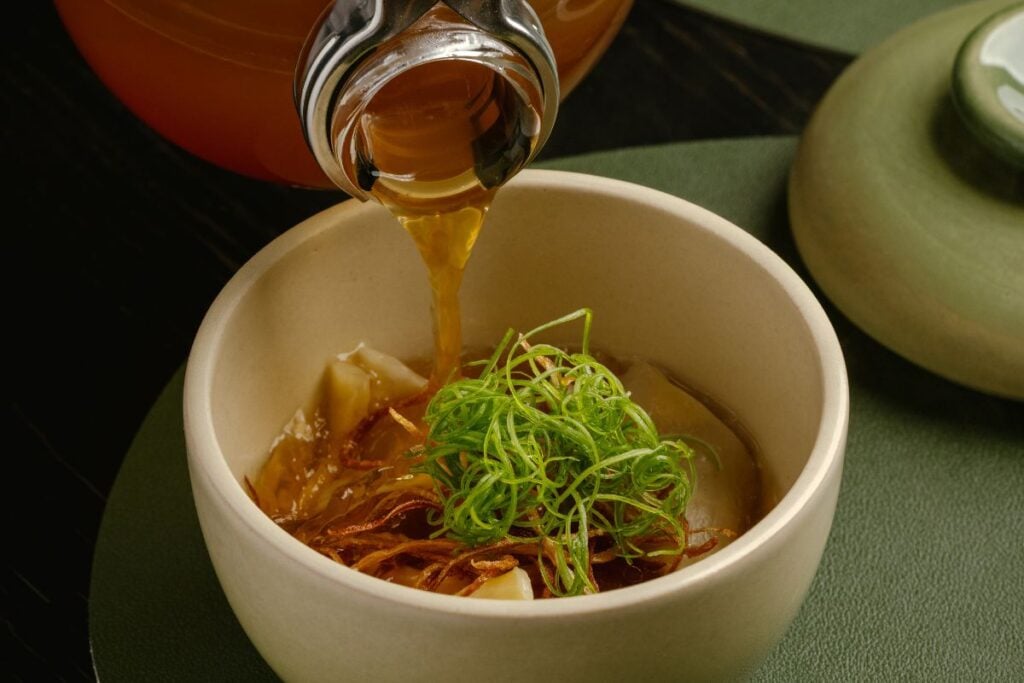
Their phở gà, served as soup course in lunch and dinner, is another dish that deviates from the usual swagger of no-frills Vietnam cooking. This pho is elevated with a pork bone and Jinhua ham broth and, for a fine spectacle sake, brewed in a siphon coffee maker and garnished with chicken “noodles”, fish maw, and other Vietnamese spices.
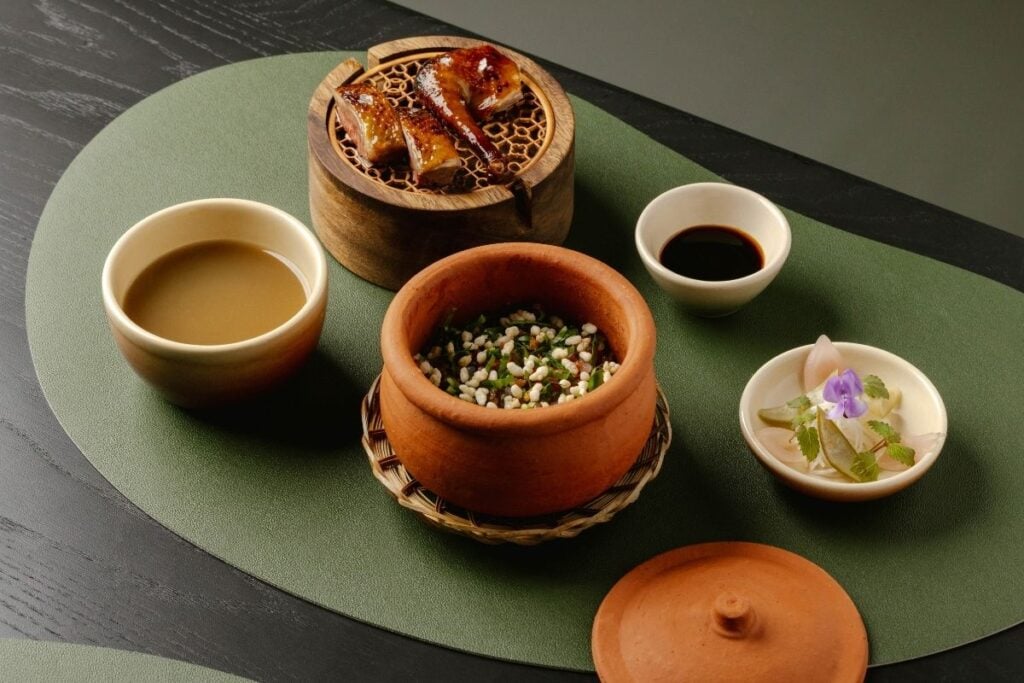
Featuring on both menus, the star of the show is the xôi mặn (three-colour sticky rice), which features poached pigeon served with a sauce made with 10-year black vinegar, coffee, and palm sugar.
“I want to showcase that we can present Vietnamese cuisine where it’s not just simply those few dishes that you have always heard and know of, like pho, spring rolls, and banh mi. ”
Just like the late, zealous Vietnam-lover Anthony Bourdain and his global PR campaign to raise the profile of Vietnamese cuisine, Elizabeth wants to lead her own “progressive Vietnamese” campaign with le le.
“Vietnam is a very big country. Of course, we have very well-known street food populated by Anthony Bourdain and other well-regarded chefs and media personalities, but we have a great history of food,” as Elizabeth tells. The melting pot of dining culture in the country of 100 million people is a meeting of the country’s north with influences from China, the south with 83 years of French colonisation, and a rich ancient history throughout the country dating back to 500 BC.
Born and raised in Saigon until the age of 10, before she moved to Hong Kong for schooling, Elizabeth carries an impregnable nostalgia with her childhood memories of Vietnam’s economic capital, Anthony Bourdain’s first ever televised stop in a country he idolized.
le le’s birth in Hong Kong came with Testina’s demise, with the former taking over the Central space. Closing the offal-centric Italian restaurant was a heavy decision for Elizabeth and ZS Hospitality’s senior team.
“I think with every restaurant [in ZS Hospitality] we try to be experimental. With experiments, some work, some don’t.” Elizabeth cited clientele changes and local and GBA competition growing for affordable Italian dining as key reasons for Testina’s closure.
“My team and I eventually realised that loving Italian food and truly mastering its essence are two different things. Despite our best efforts with Testina, we felt we lacked the familiarity required to run the restaurant that captured the soul of Italian cuisine.”
“As an Asian restaurateur, I have decided to return to the roots I know best, focusing on the flavours I am confident bringing to the table.”
As le le came in, Elizabeth has wielded her auteuristic paintbrush and left her mark on the menu with her lived experiences of dining in Saigon.
The restaurateur doesn’t eat Vietnamese food outside the house, she prefers her home cooking, the essence of what Vietnamese food is. “I communicate very closely with the chef to incorporate my family recipes into the menu.”
As opposed to assisting general operations at her French restaurant Feuille, Korean restaurant Hansik Goo, or Cantonese restaurant Ying Jee Club, three prominent Michelin-starred treasures comprising nine venues in her restaurant group, she is intimately involved in le le’s menu design, food research and development, and interior curation.
“I have put a lot of effort behind the scenes for every single restaurant. But the difference with [le le] is I really know Vietnamese cuisine and culture.”
Is there a risk to opening le le, a Vietnamese restaurant with menus priced higher than most competitors? “Defintiely,” Elizabeth confirms. “I think in terms of our price range, if you want to enjoy pho, for example, you can find the dish elsewhere in Hong Kong. We need to show something different here that you are not just coming for a bowl of pho.”
“This is full circle for me because I started with wanting to create [a restaurant like le le], but I had a lot of restrictions with people, ingredients, and timing.” With the former, Elizabeth was only able to hire a Vietnamese chef in Lê Minh Đức after the Hong Kong government relaxed visa policies for employment of Vietnam nationals after late 2023. The timing for opening a Vietnamese restaurant in itself was equally important.
The MICHELIN Guide entered the Vietnam market in 2023, awarding nine restaurants Michelin Stars in the 2025 edition with countless of Michelin Bib Gourmand and Recommended awardees joining the pack. A growing crowd of young Vietnamese chefs in Vietnam are looking for inspiration in Vietnam’s small yet prosperous fine-dining scene. Elizabeth, from afar, is advocating for her home country locally in Hong Kong
“[Vietnam] is still an up and coming [destination]. We have not reached the point of Thailand with the [prominence of their] dining culture in Southeast Asia, but there is huge potential [for Vietnamese cuisine in Asia].”
le le’s first menu acts as an introduction to what the restaurant is now, yet not what it will become. Dishes like the pho ga and banh mi-inspired duck in three years keep the restaurant grounded with the style of Vietnamese cuisine in Hong Kong.
When diners are more familiar with the concept, le le’s second menu will explore regional and signature dishes covering the north-to-south length of the country. “I want to serve dishes that make people realise that this is Vietnamese food.”
Visit le le to explore progressive Vietnamese cuisine in Hong Kong.

