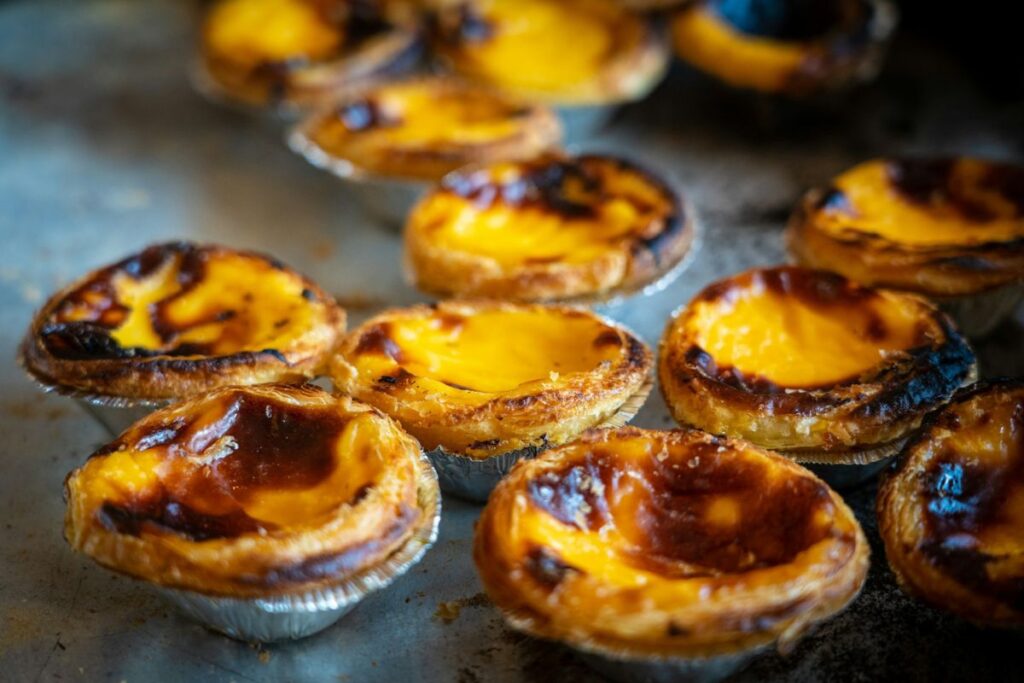
2026 ushers in the Year of the Horse this February, but it may also spell the beginning of the Year of the Egg Tart (or pastel de nata or egg custard tart) in Hong Kong, Foodie predicts.
Following the announcement Portugal’s foremost pastel de nata brand Manteigaria’s plans to open a flagship store in Hong Kong in early Q2 2026, reports suggest not just one but multiple international egg tart brands have planned an entry into the local market this year, according to sources close to Foodie.
A far wider movement of egg tart mania is expected in the city, boosting popularity for the city’s symbolic pastry treat.
Hong Kong was first introduced to the egg tart by way of the British, enjoying its own local flavour and style. The Hong Kong-style egg tart became a staple in Hong Kong’s cha chaan tengs beginning in the 1960s, embraced by Hong Kongers till today.
The British history of the egg tart dates back to as early as 1450, featuring in a catalogue of medieval recipes under Two Fifteenth-Century Cookery-Books. By 2018, the craftsmanship and process of creating the Hong Kong egg tart, the familiar dan taat in Cantonese, were officially recognised as an Intangible Cultural Heritage by the Hong Kong Government.
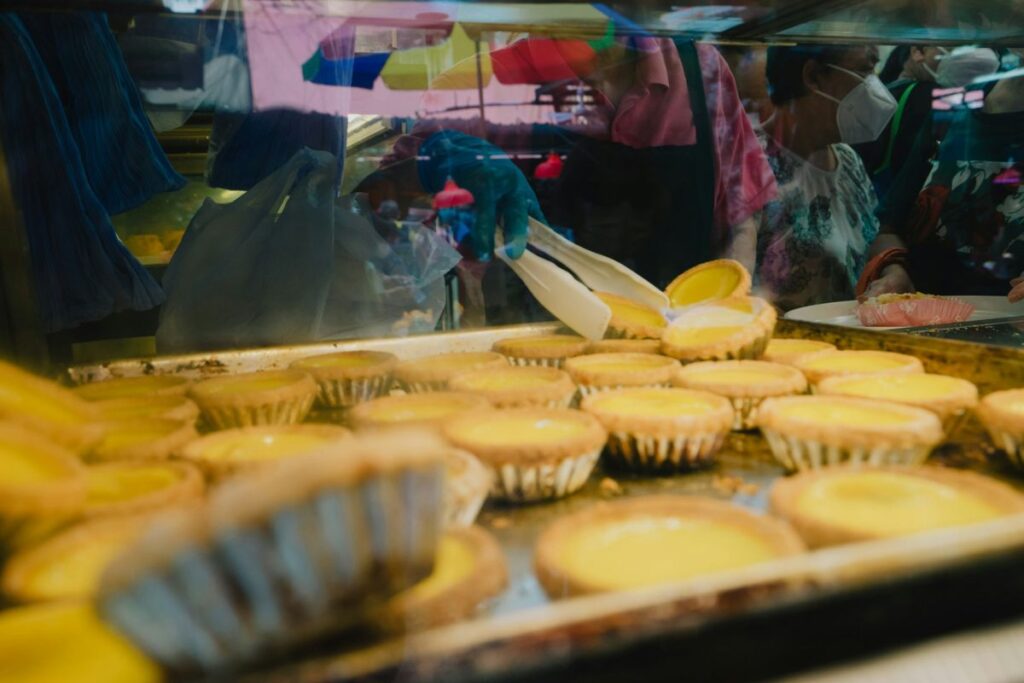
Whilst the Hong Kong egg tart is famous for its own style, the recipe differs markedly from its sweeter Macanese and Portuguese counterparts. Compared to the more sugaryPortuguese pastel de nata and Macanese version, Hong Kong’s egg tarts feature a light custard filling, made with evaporated milk, eggs, and vanilla, and a crumbly, biscuit-like pastry. The Portuguese and Macanese varieties differ via the use of flaky puff pastry and a burnt caramelised finishing on top with a dusting of cinnamon.
Hong Kong diners have historically maintained a strong preference for the local style of egg tart. However, the dominance of egg tart expert Bakehouse over the past few years, along with its viral sourdough egg tart, has shown that preferences seems to be shifting towards a style resembling the caramelised Macanese tart.
Foodie predicts that not only can we anticipate the arrival of multiple new international tart brands’ expansions into Hong Kong, fuelling a wave of bolstered consumption, but also the launch of a number of independent local tart brands.
Another factor we are seeing behind the egg tart’s growing popularity is its natural suitability for social media. Baked goods such as egg tarts are easy for almost anyone to participate in, making them far more likely to be shared and circulated on Instagram and Xiaohongshu, where short‑form food content continues to drive trends and virality.
Typically priced between HKD15 and HKD25, egg tarts sit at an accessible price point that allows consumers to engage with a trending food moment with minimal financial friction, making them far easier to participate in than higher‑ticket dining experiences.
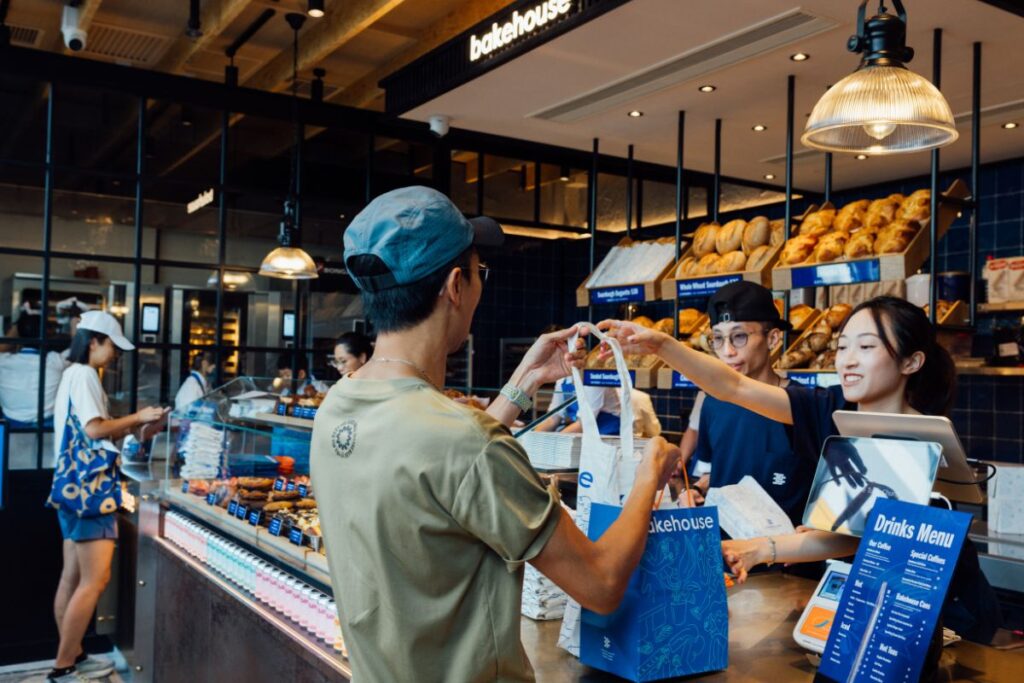
This accessibility also aligns with broader economic shifts we are observing in Hong Kong. As average spend among both local diners and tourists has declined in recent years, consumption habits have increasingly moved away from sit‑down dining in favour of grab‑and‑go formats – a change that positions egg tarts as both culturally visible and economically in line with how Hong Kong is eating today.
We have seen similar patterns play out with other trends in previous years, including matcha in 2022, which saw THE MATCHA TOKYO’s first Hong Kong location open in late January, Matchali’s first permanent location debut on Moon Street in June of the same year, and a plethora of local independent brands opening thereafter, such as Mame-To-Cha and nana’s green tea.
The egg tart mania follows a shift in Hong Kong’s F&B landscape towards increasingly affordable dining concepts and a consumer inclination towards “sweeping streets,” a Hong Kong catchphrase describing the activity of street-side eating, driving regional economic factors and catering to increased tourism from Mainland China, Taiwan, Korea, and Japan.
If early signs are anything to go by, Hong Kong’s next great pastry moment may already be underway, and we hope this new wave of custardy, eggy goodness is here to stick around.