
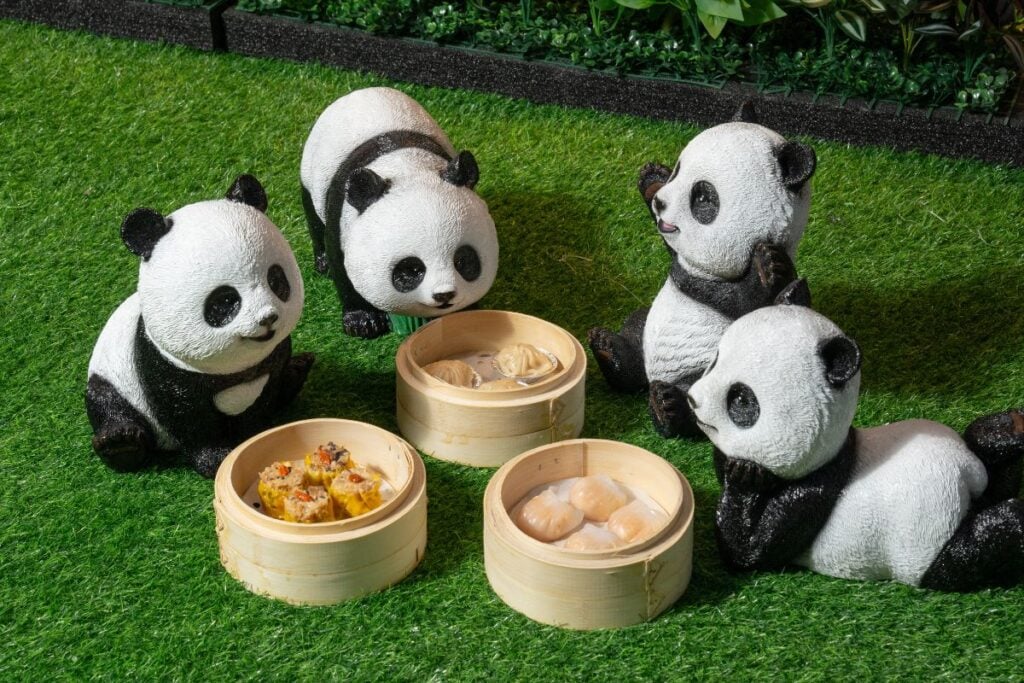
The tourists have finally come back to Hong Kong. In 2025, the city recorded nearly 50 million short- and long-haul visitors pouring in for a taste of Hong Kong’s food, sights, and culture they may have so sorely missed over the years.
Hong Kong’s biggest wins were found in mainland China, leading the charge with 75% of the share with 37.8 million pouring over the border, followed by Taiwan with 1.5 million, the Philippines with 1.3 million, and Macau with 1.1 million.
Elsewhere, Indian tourists numbered over 410,000, Malaysia with 430,000, and Indonesia 380,000. Where the latter two Muslim nations and the former, a haven for vegetarian cuisine, are concerned, Hong Kong’s regional tourists are increasingly hungry and in search of cuisine suitable for their diets: vegetarian.
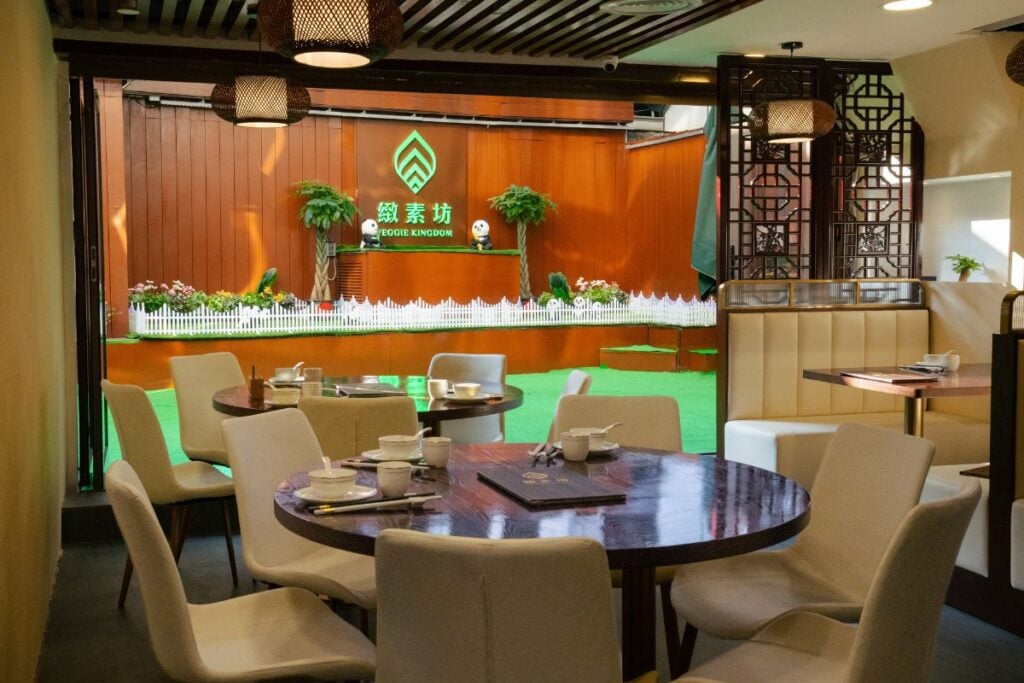
Hong Kong’s tourists today have rediscovered the city’s vegetarian restaurants, with vegetarianism central to the lives of Buddhists across the Sinosphere and a reliable choice when dining out for Halal visitors. This is no more salient than at Veggie Kingdom, a vegetarian modern Chinese restaurant in Causeway Bay and Tsim Sha Tsui fusing together meat alternatives and the power of vegetables.
“I think vegan and vegetarian culture is growing not only in Hong Kong, but globally,” Sunny Bhimsaria, co-founder of Veggie Kingdom tells Foodie.
“With the recent influx of tourists, especially after the pandemic, Hong Kong is coming back to its feet and, naturally, this is a positive sign of the hospitality and food and beverage industries.”
With “a vast percentage” of visitors coming to Hong Kong following vegetarian and vegan diets, Sunny claims, Veggie Kingdom has succeeded in the market by providing a complete vegetarian yum cha experience, “promoting plant-based delights.”
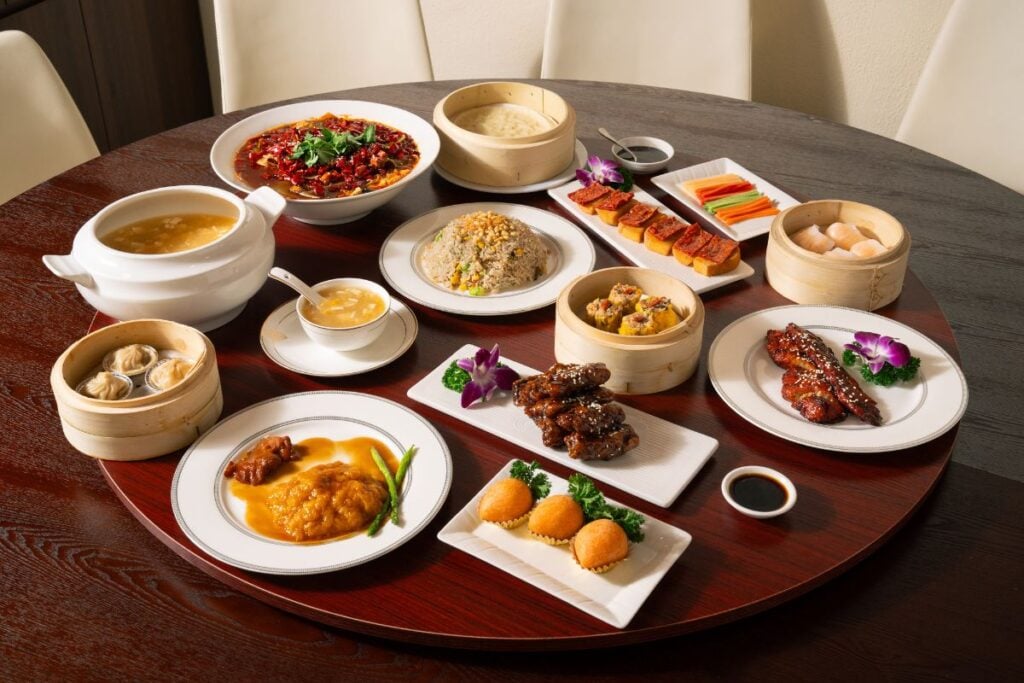
Veggie Kingdom primarily serves a menu of familiar dim sum bites and banquet-style Cantonese plates.
The vegetarian restaurant’s takes on Cantonese and Chinese classics like BBQ pork, goose, abalone and shark fin soups, mapo tofu, Zhenjiang pork, and dan dan noodles with the use of gluten, tofu, or mushrooms as substitutes. The recipes have changed, but the true taste remains.

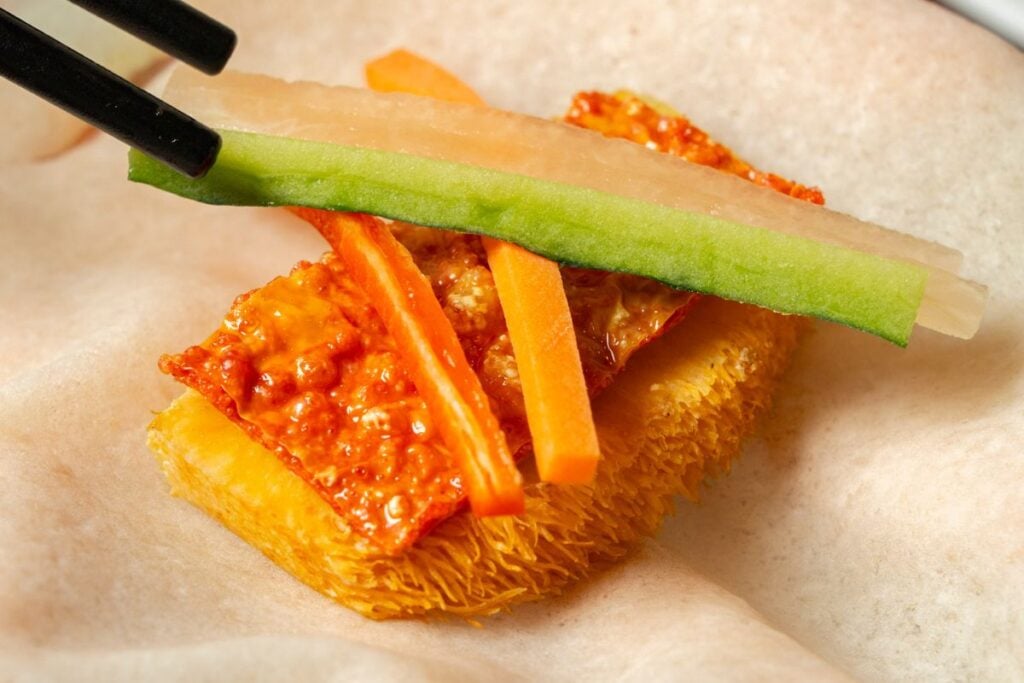
Sunny points out that “with plant-based replacements, we use a lot of soy products such as bean curd sheets and monkey head mushrooms to bring that meatyness to the dishes. We also use both meat substitutes and vegetables in our recipes to create a good balance in a meal.”
Dim sum plates range in price from HKD48 to HKD72, with entrees ranging from HKD108 to HKD268, ensuring a meal at Veggie Kingdom is cost-effective and flavourful.
Since its founding in 2021 with their first location in Tsim Sha Tsui, a key dining destination for food-loving tourists, Veggie Kingdom opened their second location in Causeway Bay in 2024, furthering market penetration and visibility into a key neighbourhood for tourists.
“We are a dominant brand in the market within the vegetarian sector. When [vegetarian] tourists are planning visits to Hong Kong, we receive a lot of inquiries through our social media and calls to make reservations.”
Sunny explains that vegetarian dim sum is hard to find on trips abroad. With their extensive menu, Veggie Kingdom can afford to cater to tourists seeking a traditional Cantonese dining experience but in a vegetarian format.
“The vegetarian community, not only in Hong Kong but globally is growing,” Sunny shares. “I feel naturally that the industry will grow to support vegetarian markets in Hong Kong, with more tourists from different cultural and religious backgrounds coming to Hong Kong specifically for vegetarian dining.”
“With Hong Kong being such a wonderful tourist destination, our vegetarian food options will continue to grow, benefitting the industry and Hong Kong GDP as well.”
Elsewhere, traditional and modern Chinese restaurants have promoted vegetarian menus that rely on meat substitutes like Beyond Meat and Omnipork, or gluten and soy products, to replicate their recipes and welcome vegetarian diners into the fold.
From fine-dining vegetarian Chinese restaurant Yuan and Japanese sushi bar NIWA, to tea house LockCha Tea House and Indian restaurants Woodlands and Saravana Bhavan, Hong Kong’s vegetarian tourists are flush with options for dining out.
“Supplementing Hong Kong’s quality dining scene, vegetarian restaurants like Veggie Kingdom encourage all types of visitors to the city, with many diets and cultural beliefs,” Sindy Wong, Head of Consumer & Hospitality of InvestHK, says.
“Dim sum, the traditional experience of enjoying yum cha with a large group or the whole family, should not be limited to those who can eat meat. Vegetarian dim sum ensures Hong Kong is seen as a global dining destination that can cater to every diet, preference, taste, and flavour.”
Savour the flavours of Hong Kong at Veggie Kingdom with their vegetarian dim sum menu.
This feature was brought to Foodie in partnership with InvestHK.
